Service · Maintenance

Stop water now,
or buy pavement later.

Every open crack lets water reach your pavement's foundation. Hot rubberized crack filling closes that opening and is one of the smartest maintenance investments you can make.

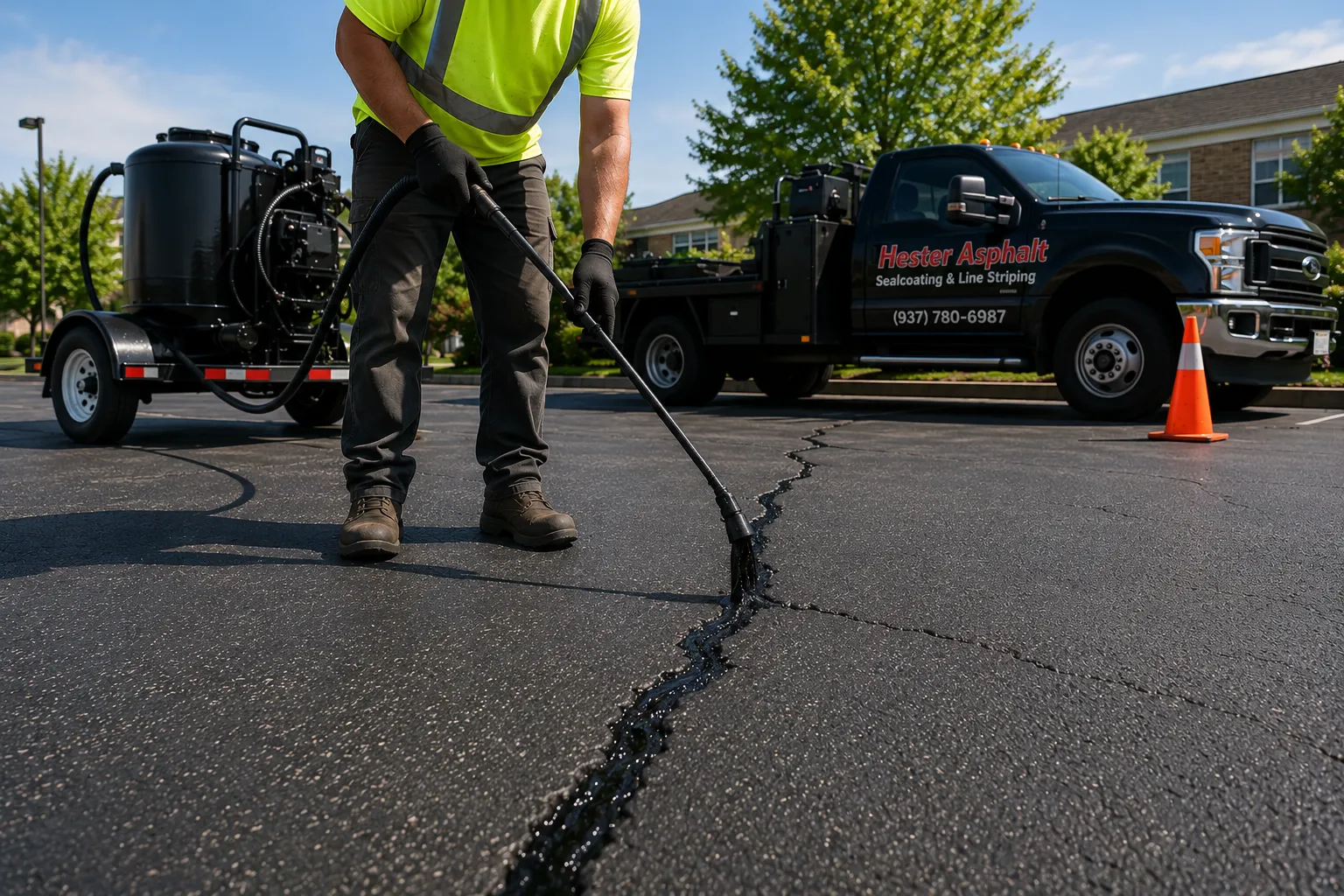
Crack Filling illustration

A hairline crack lets water reach the stone base. Water softens the base, the pavement flexes and the crack widens. Repeated freezing and thawing force it farther apart until alligator cracking and potholes appear. That structural damage can cost many times more than filling the original crack.

We remove vegetation and debris, dry the crack and inject hot rubberized filler that bonds to both walls and flexes with the pavement as temperatures change. Pourable products from the hardware store often shrink and come loose within a winter. Professionally applied hot rubber is made to hold.

Crack filling pairs naturally with sealcoating — fill first, seal over — but it also stands alone as the single most urgent fix for any pavement showing open joints heading into an Ohio winter.

Scope

What's included.

  • Crack inspection and mapping
  • Cleaning, routing and drying of all cracks
  • Hot rubberized sealant injection
  • Banding over areas under heavy stress
  • Flush finishing so lines stay smooth underfoot
  • Condition report noting damage that needs more than crack filling

Commercial

Annual crack filling keeps small defects from becoming trip hazards, liability concerns and expensive repairs.

Residential

A few hundred dollars of crack work can save a driveway owner thousands in early replacement. It is simple maintenance that makes a real difference.

Straight Answers

Crack Filling FAQ

When should cracks be filled?

As soon as they're wide enough to accept material — about 1/8 inch. Fall is the best time because filling keeps water out before winter temperatures begin changing.

How long does crack filler last?

Quality hot rubber typically holds 3–5+ years and flexes with the pavement. We inspect previous work whenever we're back on a property.

My driveway is full of fine 'alligator' cracks — will filling fix it?

Honest answer: no. Alligatored areas signal base failure, which needs patching or replacement. We'll tell you which areas are fillable and which aren't.

Is crack filling worth it before sealcoating?

It's essential. Sealer is surface protection — it can't bridge moving cracks. Filling first is part of every proper sealcoat prep, including ours.

Free Estimates

Ready for crack filling done right?

Request your free estimate — careful site visit, clear written price and honest answers.

Call Request Estimate